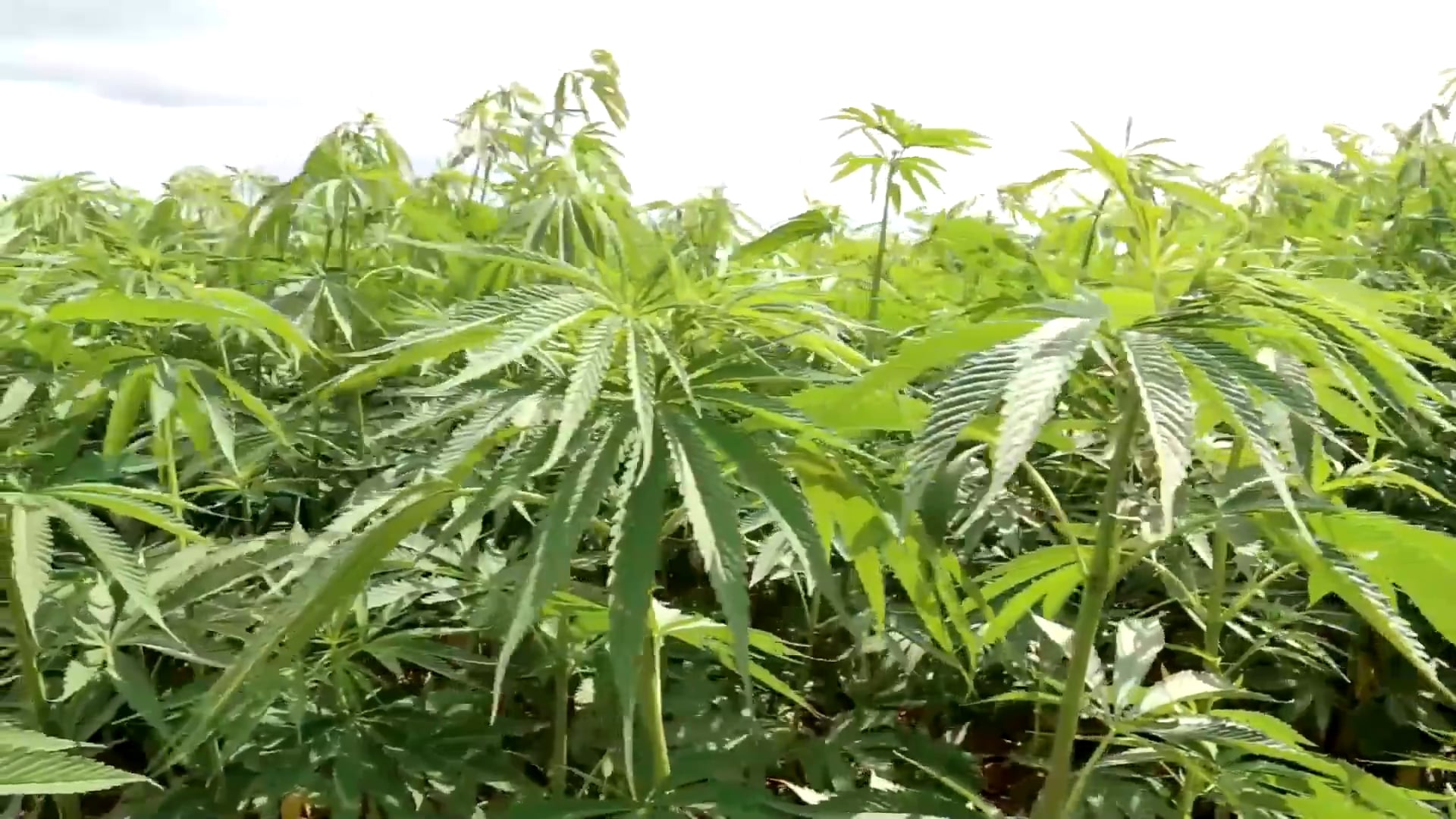
William Penn encouraged colonial farmers to grow hemp, and the first law passed by the Pennsylvania General Assembly in 1683 was designed to promote its cultivation.
Widespread Cultivation
By the 1690s, hemp was a flourishing crop in early settlements across the state. The fiber was used to make clothing, rope for the Philadelphia shipbuilding industry, and paper. Benjamin Franklin's first paper mill, for example, was fueled by hemp in the 1750s.
Presence in Central PA
Although Lancaster County was a hemp hub with numerous processing mills, the crop was grown throughout the state. Records show the Hanover Cordage Company in York County was still using local hemp for rope and twine well into the 20th century.
Decline and Prohibition
Hemp's popularity declined in the mid-1800s with the rise of cotton and wood pulp products. A final ban came with the Marijuana Tax Law of 1937, though anecdotal evidence suggests some rural cultivation continued.
Recent Revival
Following the 2018 Farm Bill, which legalized industrial hemp, farmers across Pennsylvania were again issued permits to grow the crop. Permits span roughly 170 active growing operations across most of the commonwealth's rural and agricultural counties including Lancaster, Blair and Cambria counties.